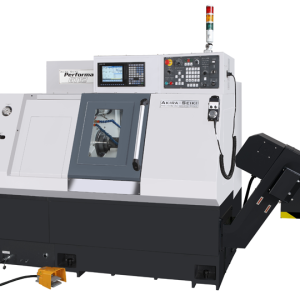
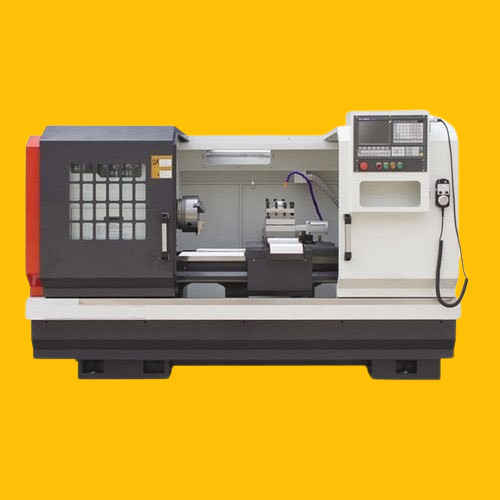
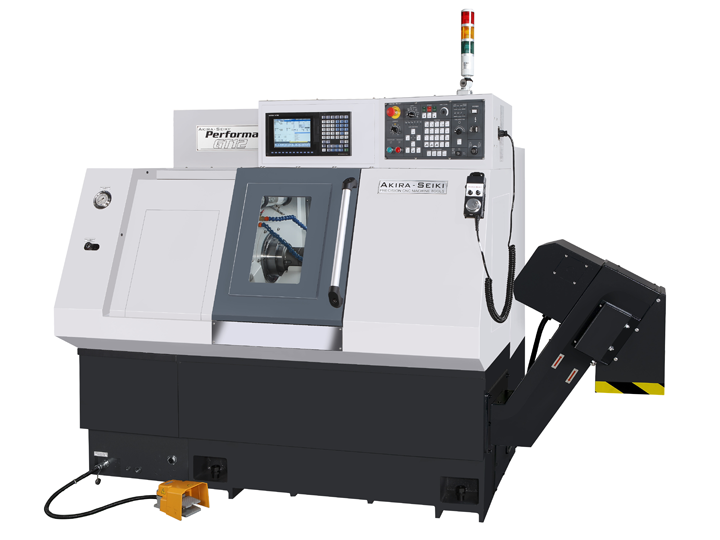
CNC turning is a sophisticated machining process utilized in the manufacturing industry to create precise cylindrical parts. CNC, which stands for Computer Numerical Control, automates the control of machining tools using pre-programmed software and code. This method ensures accuracy, consistency, and efficiency in producing complex components.
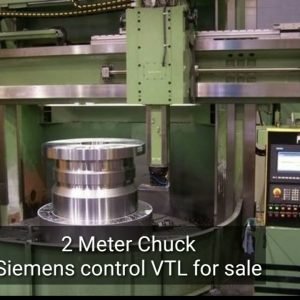
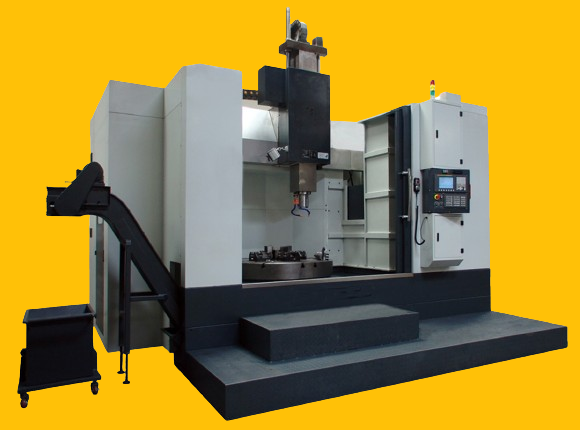
Vertical Turning Lathe (VTL) Turning is a specialized machining process used for shaping and machining large, heavy, and complex workpieces with precision and efficiency. VTL Turning employs a vertical orientation of the spindle and the workpiece, providing unique advantages over traditional horizontal turning methods.
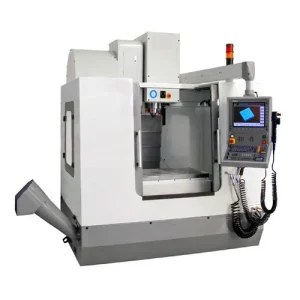
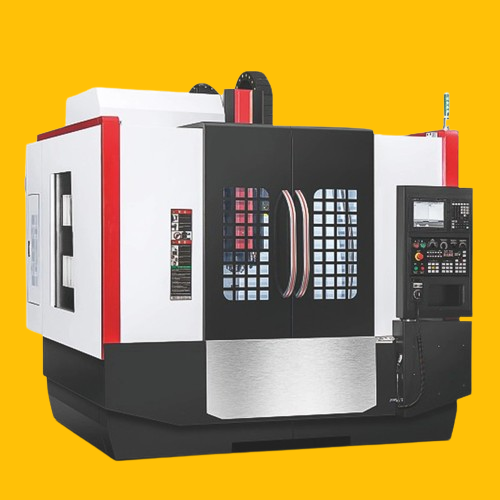
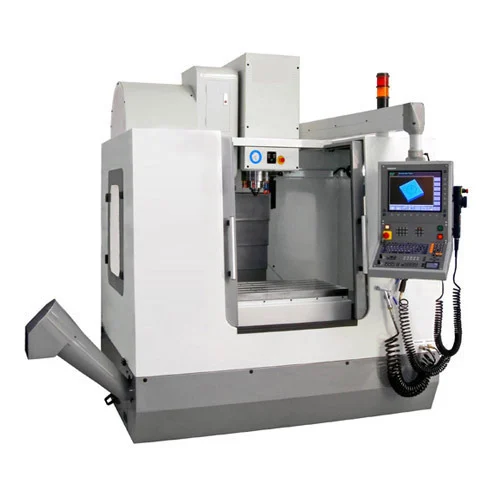
Vertical Machining Centers (VMC) are a cornerstone of modern manufacturing, renowned for their precision, versatility, and efficiency. These computer-controlled machine tools are designed to perform a wide range of machining operations such as milling, drilling, tapping, and contouring. The vertical orientation of the spindle in VMCs allows for the effective execution of complex tasks on various materials, from metals to plastics.
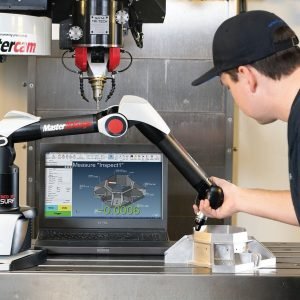
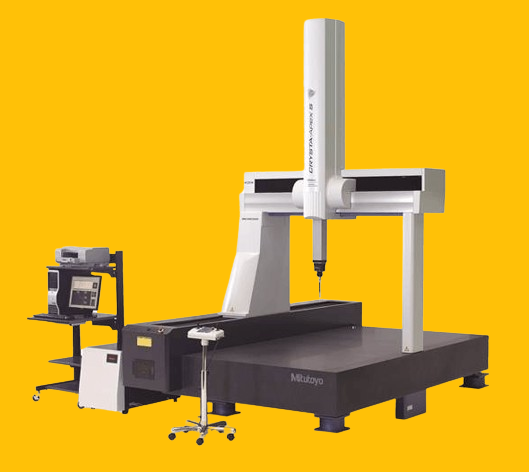
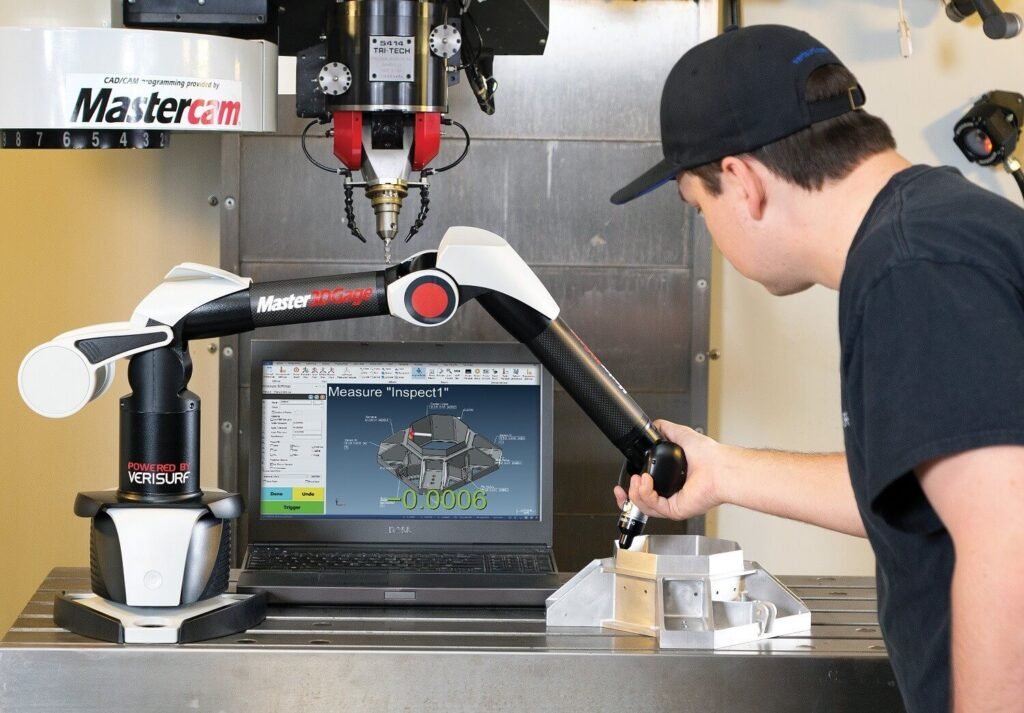
Coordinate Measuring Machine (CMM) inspection is a crucial process in precision engineering and manufacturing, ensuring the highest standards of quality and accuracy for complex components and assemblies. CMMs are advanced, computer-controlled devices that utilize a probing system to measure the physical geometrical characteristics of an object.
Coordinate Measuring Machine (CMM) inspection is a crucial process in precision engineering and manufacturing, ensuring the highest standards of quality and accuracy for complex components and assemblies. CMMs are advanced, computer-controlled devices that utilize a probing system to measure the physical geometrical characteristics of an object.
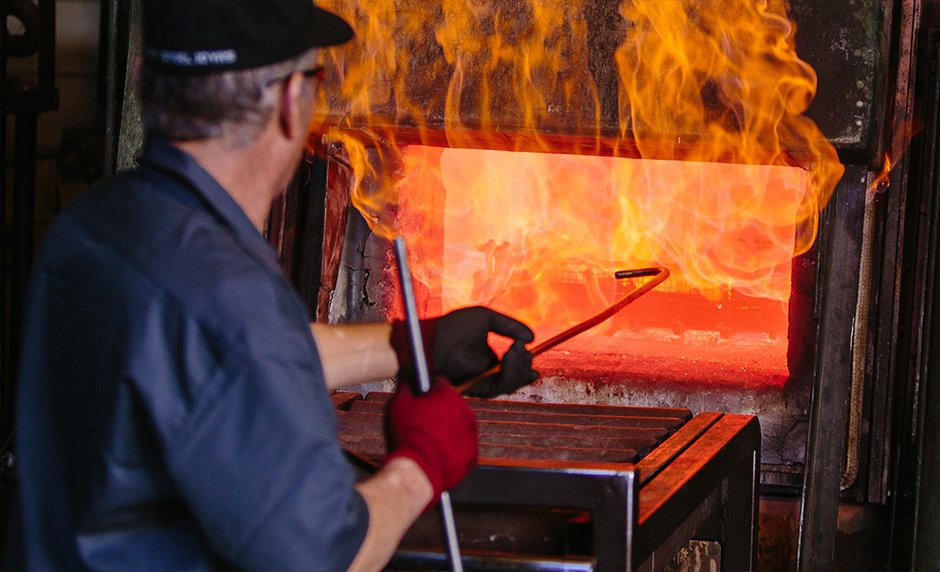
Heat treatment is a vital metallurgical process that involves heating and cooling metals or alloys in a controlled environment to alter their physical and mechanical properties without changing their shape. This process is crucial in manufacturing and engineering, as it enhances the material's characteristics to meet specific application requirements.
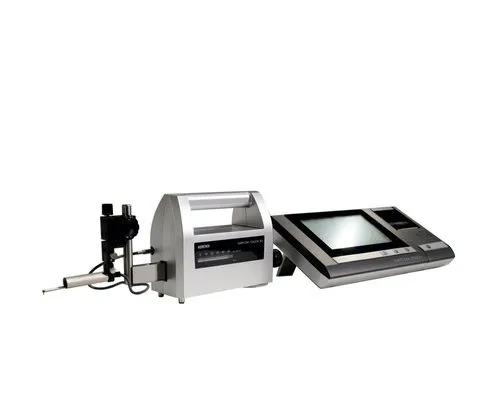
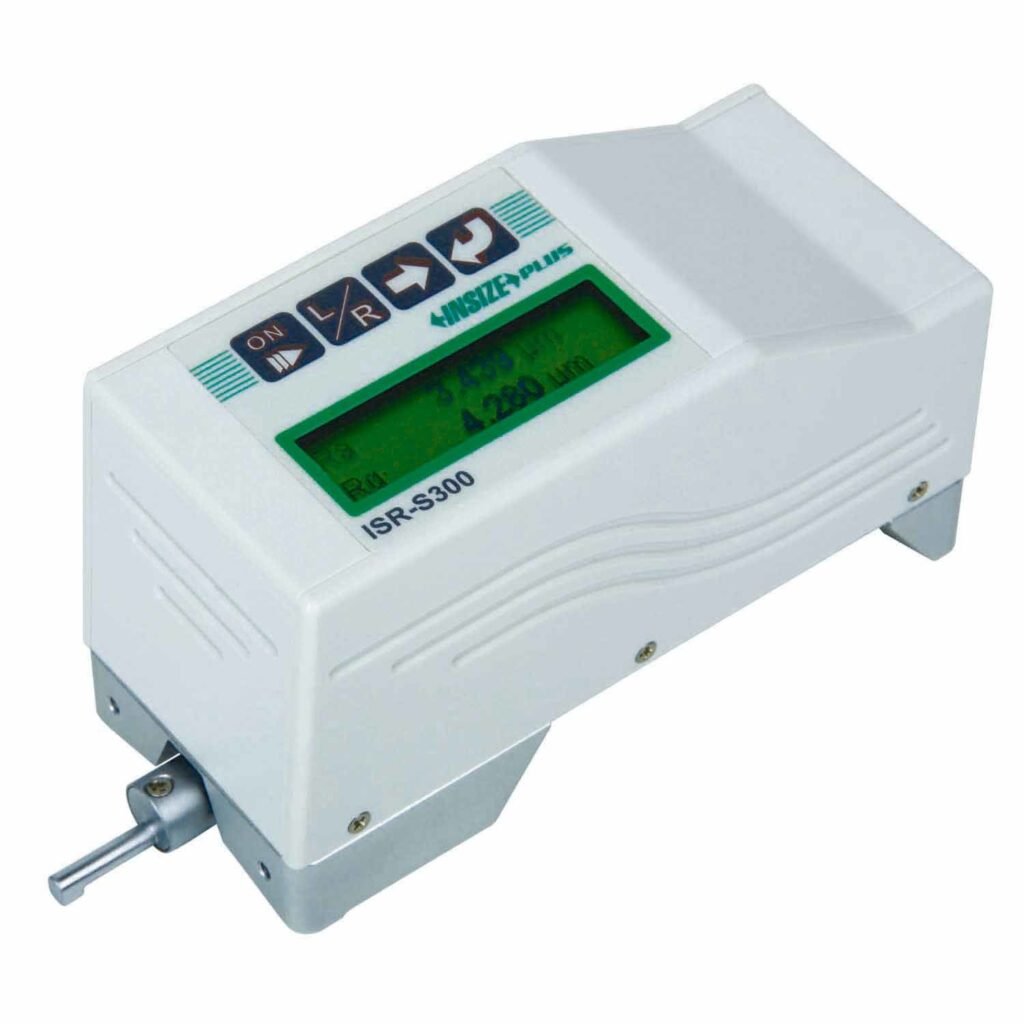
A roughness tester, also known as a surface roughness tester or profilometer, is a precision instrument designed to measure and evaluate the texture of a surface. These devices are essential in various industries, including manufacturing, automotive, aerospace, and materials science, where surface quality is critical for both functionality and aesthetics.
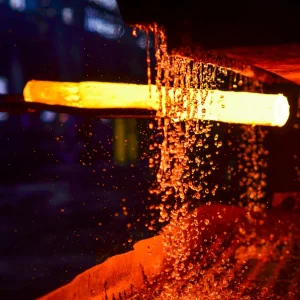
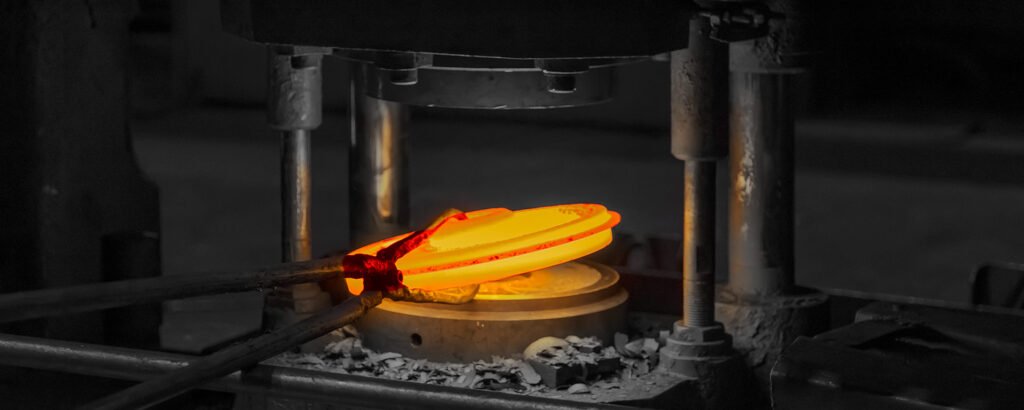
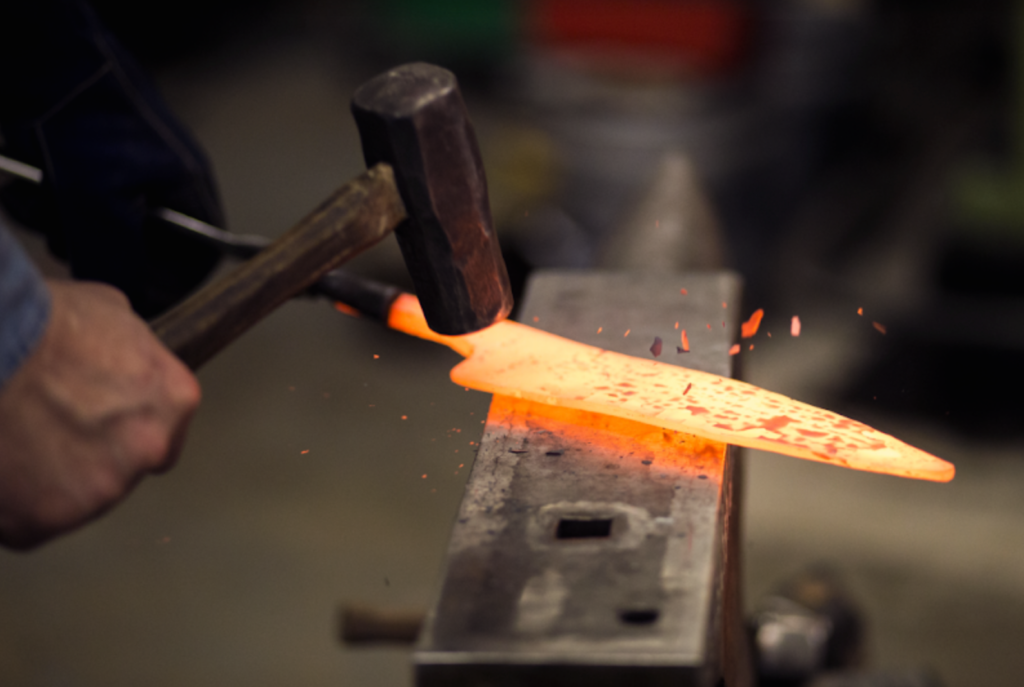
Forging is a manufacturing process involving the shaping of metal using localized compressive forces. This method is one of the oldest known metalworking techniques and is used to produce a wide range of products from simple tools to complex components.
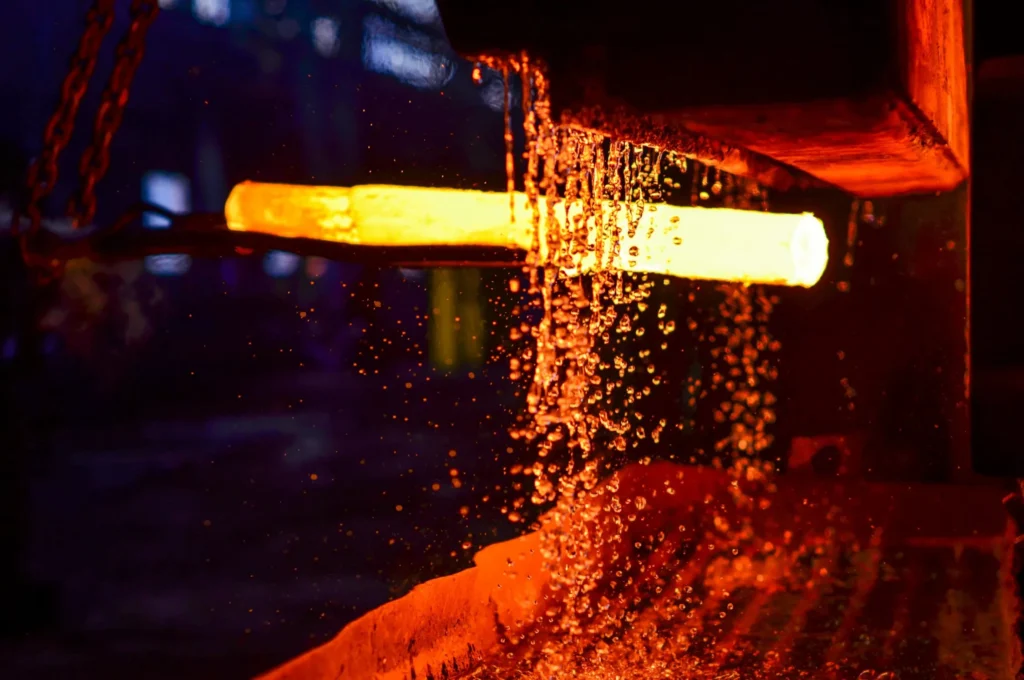
Annealing is a heat treatment process used in metallurgy and materials science to alter the physical and sometimes chemical properties of a material, typically metal or glass, to increase its ductility and reduce its hardness, making it more workable. The process involves heating the material to a specific temperature, maintaining that temperature for a period, and then cooling it down at a controlled rate.
Annealing is a heat treatment process used in metallurgy and materials science to alter the physical and sometimes chemical properties of a material, typically metal or glass, to increase its ductility and reduce its hardness, making it more workable. The process involves heating the material to a specific temperature, maintaining that temperature for a period, and then cooling it down at a controlled rate.
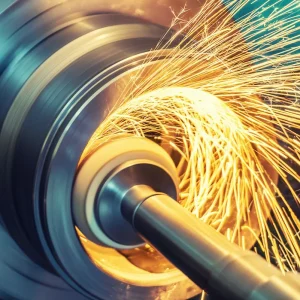
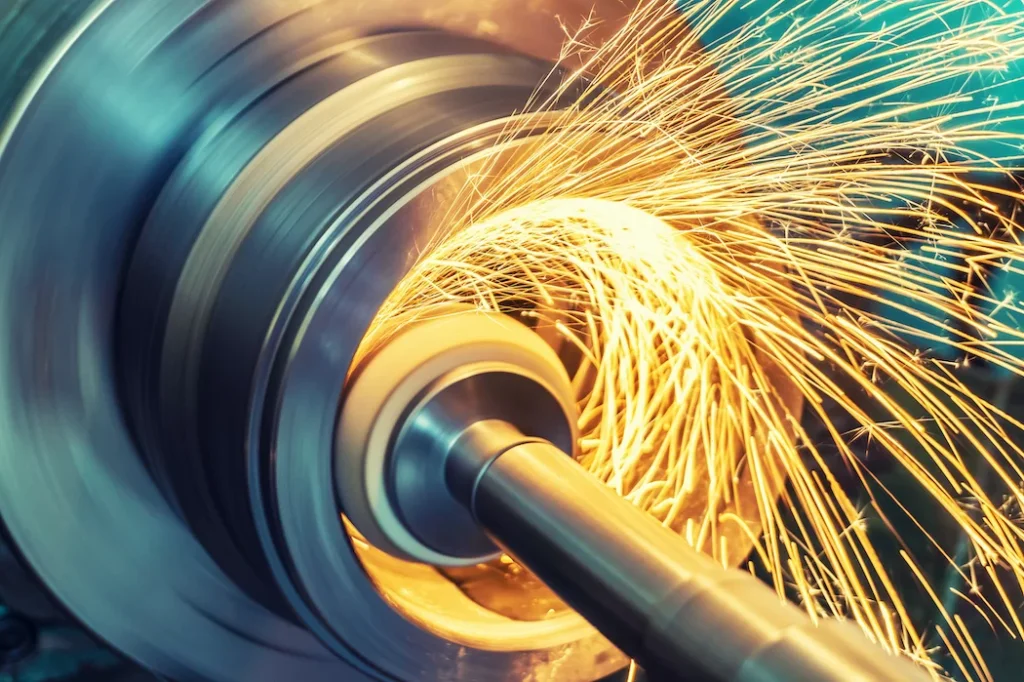
Grinding is a material removal process that involves the use of an abrasive wheel to produce a fine finish and accurate dimensions on a workpiece. This machining process is commonly employed to enhance the surface quality, remove excess material, and achieve precise measurements, making it essential in various industries including manufacturing, automotive, aerospace, and tool making.
The grinding process utilizes a rotating abrasive wheel that cuts, shapes, and smooths the material. The wheel is composed of abrasive grains held together by a bonding material, and it is designed to wear down gradually, exposing new sharp grains to maintain efficiency. Grinding can be performed on different types of materials, such as metals, ceramics, composites, and plastics.
Annealing is a heat treatment process used in metallurgy and materials science to alter the physical and sometimes chemical properties of a material, typically metal or glass, to increase its ductility and reduce its hardness, making it more workable. The process involves heating the material to a specific temperature, maintaining that temperature for a period, and then cooling it down at a controlled rate.
CNC turning is a sophisticated machining process utilized in the manufacturing industry to create precise cylindrical parts. CNC, which stands for Computer Numerical Control, automates the control of machining tools using pre-programmed software and code. This method ensures accuracy, consistency, and efficiency in producing complex components.
VMC MACHING
Vertical Machining Centers (VMC) are a cornerstone of modern manufacturing, renowned for their precision, versatility, and efficiency. These computer-controlled machine tools are designed to perform a wide range of machining operations such as milling, drilling, tapping, and contouring. The vertical orientation of the spindle in VMCs allows for the effective execution of complex tasks on various materials, from metals to plastics.
VTL TURNING
Vertical Turning Lathe (VTL) Turning is a specialized machining process used for shaping and machining large, heavy, and complex workpieces with precision and efficiency. VTL Turning employs a vertical orientation of the spindle and the workpiece, providing unique advantages over traditional horizontal turning methods.
CMM INSPECTION
Coordinate Measuring Machine (CMM) inspection is a crucial process in precision engineering and manufacturing, ensuring the highest standards of quality and accuracy for complex components and assemblies. CMMs are advanced, computer-controlled devices that utilize a probing system to measure the physical geometrical characteristics of an object.
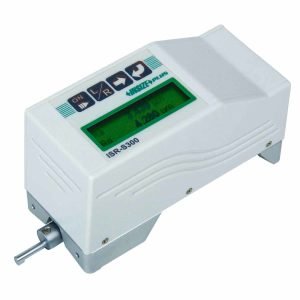
ROUGHNESS TESTER
A roughness tester, also known as a surface roughness tester or profilometer, is a precision instrument designed to measure and evaluate the texture of a surface. These devices are essential in various industries, including manufacturing, automotive, aerospace, and materials science, where surface quality is critical for both functionality and aesthetics.
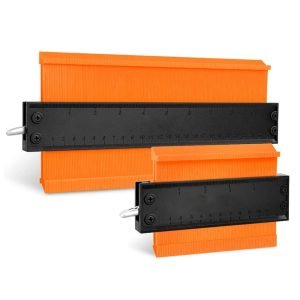
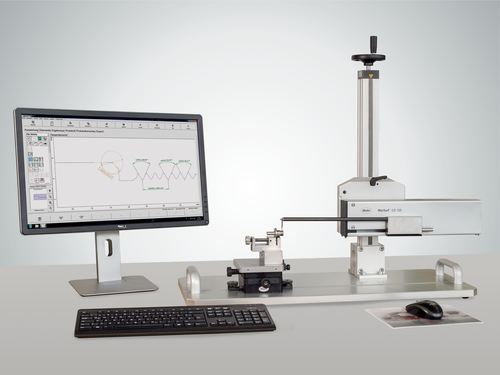
CONTOUR PROFILE
Contour profiling refers to the process of creating precise, detailed outlines or shapes, often used in various fields such as manufacturing, design, and art. It involves capturing the contours or edges of an object or surface to accurately depict its shape, curvature, and dimensions.
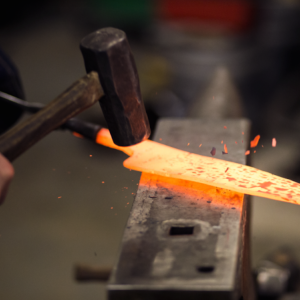
FORGING
Forging is a manufacturing process involving the shaping of metal using localized compressive forces. This method is one of the oldest known metalworking techniques and is used to produce a wide range of products from simple tools to complex components.
ANNEALING
Annealing is a heat treatment process used in metallurgy and materials science to alter the physical and sometimes chemical properties of a material, typically metal or glass, to increase its ductility and reduce its hardness, making it more workable. The process involves heating the material to a specific temperature, maintaining that temperature for a period, and then cooling it down at a controlled rate.
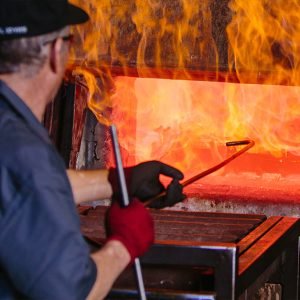
HEAT TREATMENT
Heat treatment is a vital metallurgical process that involves heating and cooling metals or alloys in a controlled environment to alter their physical and mechanical properties without changing their shape. This process is crucial in manufacturing and engineering, as it enhances the material’s characteristics to meet specific application requirements.
GRINDING
Grinding is a material removal process that involves the use of an abrasive wheel to produce a fine finish and accurate dimensions on a workpiece. This machining process is commonly employed to enhance the surface quality, remove excess material, and achieve precise measurements, making it essential in various industries including manufacturing, automotive, aerospace, and tool making.